


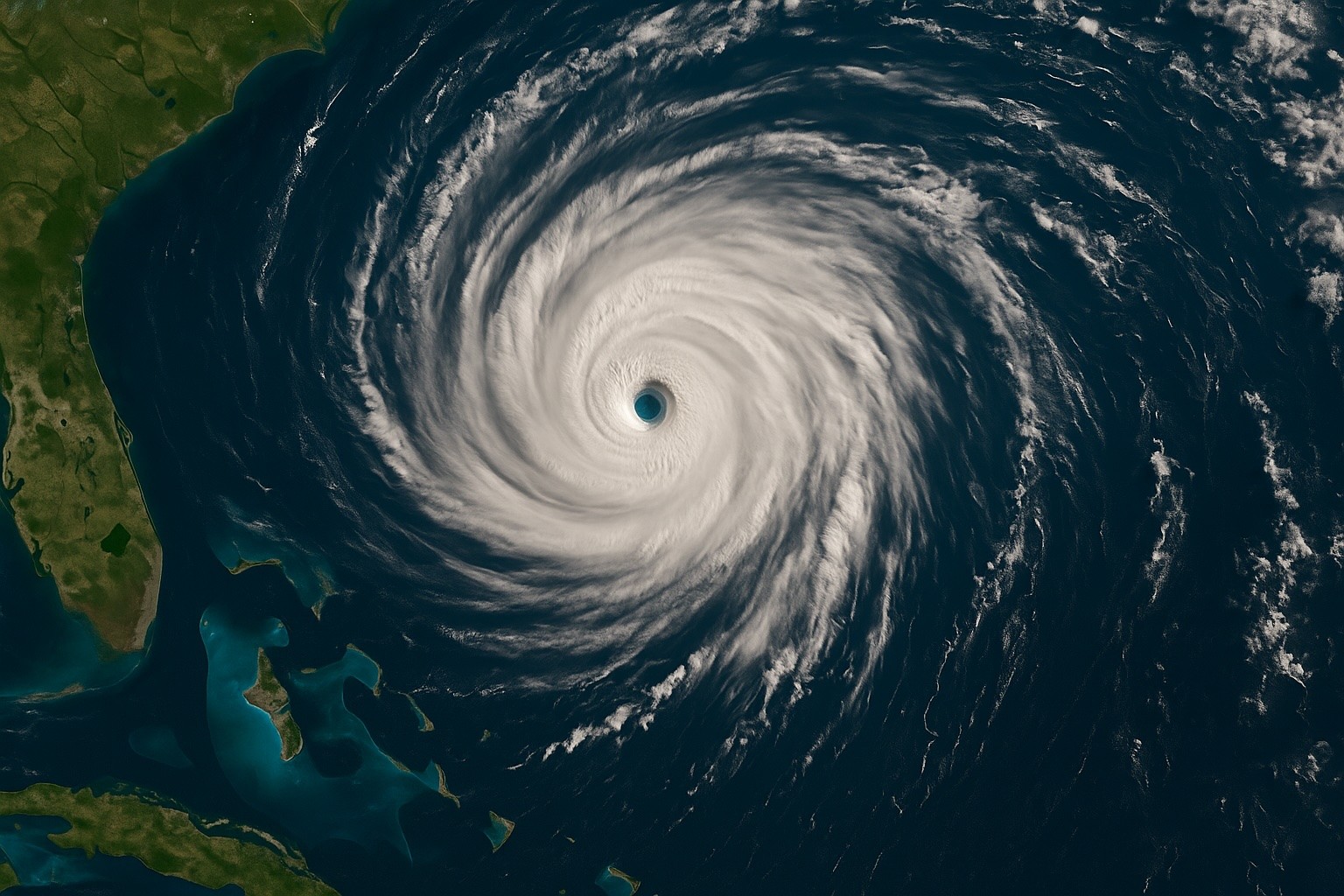

Charleston hurricane prep isn't just about supplies—it's about knowing when to leave. And for many residents, that realization came too late.
"I should have left."
That’s the sentence many Charleston-area residents still repeat when they talk about Hurricane Hugo. In September 1989, Hugo tore across the South Carolina coast with terrifying force.
Winds over 130 mph screamed through the palmettos, and a storm surge swallowed entire neighborhoods. Many coastal residents, uncertain of what was coming or reluctant to leave their homes, chose to stay behind.
That experience changed how Charleston prepares for hurricanes—and it’s why this Charleston hurricane prep guide is so important. In this post, we’ll share evacuation tips, go-bag essentials, and storm safety steps every Lowcountry resident should know before hurricane season strikes again.
1. When to Evacuate for a Hurricane in Charleston
Don’t wait until the last minute to leave. Charleston residents know that hesitation can lead to:
Traffic gridlock on I-26 and other major evacuation routes
No hotel availability inland or further up the coast
Difficulty getting elderly loved ones or pets out safely
As soon as a voluntary evacuation is announced, start moving. If the order is mandatory, leave immediately. Roads fill up fast, and conditions worsen quickly.
2. Hurricane Go Bag Checklist for Charleston Residents
One of the smartest Charleston hurricane prep steps is packing a go bag ahead of time. This kit should be ready at the start of hurricane season and easy to grab at a moment’s notice.
Prescription medications and medical supplies
Important documents (in a waterproof folder)
Flashlights, batteries, and portable chargers
Bottled water, snacks, and extra clothes
Backup drives and charging cables for your devices
A ready-to-go kit means less stress when it’s time to evacuate—and fewer last-minute mistakes.
3. Evacuation Tips for Pet Owners
Pets are family, and they need a plan too. Whether you’re evacuating from Charleston or anywhere along the coast, take these steps early:
Make sure ID tags and microchips are up to date
Keep carriers, leashes, and harnesses ready
Pack food, meds, water bowls, litter, and bedding
Take recent photos in case of separation
Not all hotels or shelters allow animals. Check your county’s emergency site for pet-friendly evacuation centers, and use BringFido or PetsWelcome to find pet-accommodating lodging in advance.
4. Hurricane Home Prep: Secure Your Property Early
Securing your home is a key part of Charleston hurricane prep—especially if you’re in a flood-prone or coastal area. Take these steps before the forecast worsens:
Bring in or anchor furniture, planters, grills, and trash bins
Cover windows with shutters or plywood
Unplug electronics and shut off propane
Move valuables and documents to higher ground
Getting ahead of the storm means less panic—and more protection for your home and family.
5. How to Protect Windows Before a Hurricane
One of the most important hurricane prep steps is securing your windows. Charleston homes, especially older ones, are vulnerable to high winds and flying debris. Consider your options:
Hurricane shutters: Reliable and fast to deploy
Plywood panels: Effective but time-consuming to install
Impact-resistant windows: A premium, year-round solution
Whichever option you use, do a practice run long before hurricane season is in full swing.
6. Boat Prep Tips for Charleston Owners
Boat owners in Charleston should begin storm prep several days before landfall—not the day before. If a hurricane is approaching, take these steps early:
Remove electronics, sails, cushions, and personal items
Double dock lines and use chafing gear—or haul the boat out completely
Never leave your boat on a lift during a storm
Check your marine insurance and store updated photos in the cloud
Review your marina’s hurricane procedures now, and prep your trailer if you plan to tow inland.
7. Don’t Assume Your Charleston Evacuation Route Is Always Safe
Every storm behaves differently. Just because you evacuated to Raleigh or Savannah before doesn’t mean it’s safe next time. Depending on the track:
Raleigh might lie directly in the storm’s path
Heading south could take you closer to danger
Always check updates from SCEMD, Charleston County Emergency Management, and NOAA. Having multiple evacuation routes and destinations planned gives you the flexibility to stay safe.
8. Prepare for Charleston’s Biggest Hurricane Threat: Flooding
Wind often gets the attention, but water causes more damage—and Charleston is no exception. If your neighborhood has flooded before, it likely will again. Be flood-smart:
Look up your FEMA flood zone at msc.fema.gov
Take time-stamped photos of your home and valuables
Back up important records to the cloud or waterproof drives
Don’t store items you care about in ground-level spaces
For local updates and storm surge forecasts, monitor NWS Charleston.
9. Hurricane Communication Tips: Stay Connected When It Matters Most
Power and cell service often go down during and after a hurricane. A simple communication plan can make all the difference—especially for Charleston families with loved ones spread across the region:
Share your evacuation plan with family, friends, and neighbors
Choose one out-of-town contact to coordinate updates
Bring a battery-powered or hand-crank radio for news
Use apps like WhatsApp or GroupMe, which work better in low-signal conditions
Knowing how you’ll stay in touch—before, during, and after the storm—gives everyone peace of mind.
10. Returning After a Hurricane: Be Prepared for Delays
Just because skies clear doesn’t mean it’s safe to head back. Charleston-area reentry may be delayed due to:
Power outages, flooded roads, and limited emergency services
Closed bridges or checkpoints in coastal zones
Lack of pet boarding or flexible lodging nearby
Monitor official channels like Charleston County Emergency Management before returning. Build flexibility into your plans so you’re not caught off guard.
11. Stay Informed with Verified Hurricane Updates
During a hurricane, misinformation can spread as fast as the wind. Don’t rely on a single news source—or on social media posts. Instead:
Use the City of Charleston Hurricane Information Portal for neighborhood-specific updates
Check the Know Your Zone tool from SCEMD to confirm your evacuation zone
Sign up for alerts from SCEMD and monitor the National Hurricane Center for storm tracking
Check local coverage on Live5News Hurricane Center and CountOn2 Hurricane Tracker
Multiple sources ensure you’re getting the full picture when decisions matter most.
Final Thoughts
Hurricane season on the South Carolina coast demands preparation—not panic. No two storms are alike, but the fundamentals of good planning stay the same.
If you live in Charleston, hurricane prep isn’t optional—it’s essential. Leave early, stay flexible, and return ready to help.
The peace of mind that comes from being ready is worth far more than any last-minute scramble.