
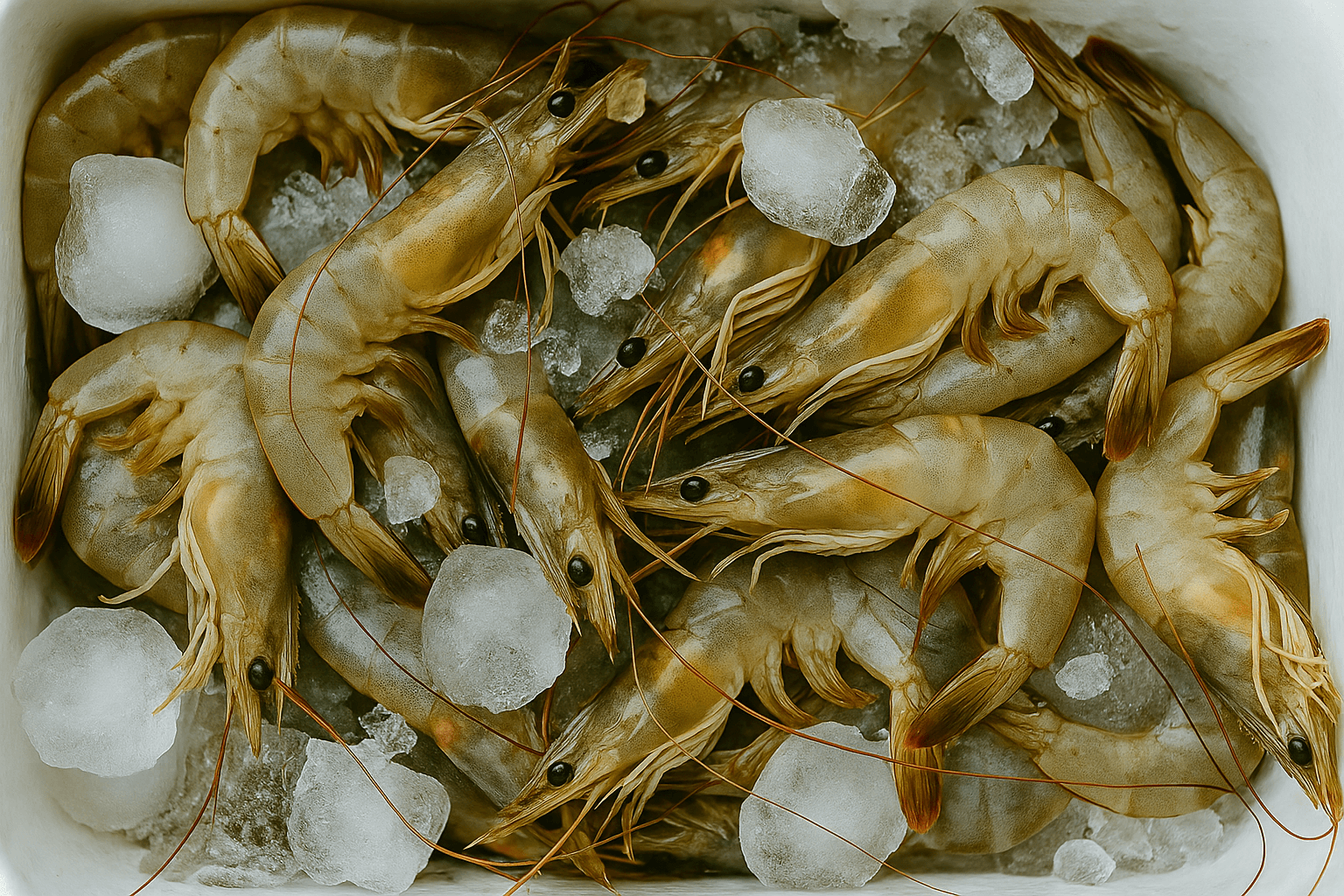

Shrimp baiting in Charleston, SC isn’t just a fishing event. It’s a fall tradition. Tides, quiet creeks, and the scent of clay-and-fishmeal bait signal the return of a ritual rooted in Lowcountry camaraderie and coastal rhythm.
Whether you're new to the practice or refining your setup, this guide will help you make the most of bait ball shrimping in Charleston—without overcomplicating the process. It’s part of the seasonal rhythm here: a pause that connects people to place, food, and each other.
1. What Is Bait Ball Shrimping?
Bait ball shrimping is a method that uses attractant bait to draw shrimp around marked poles, making it easier to cast and haul in nets full of shrimp. Shrimpers place flattened bait balls—usually a mix of fish meal and clay—near poles marked with reflective tape, arranged in shallow tidal flats. As shrimp move in to feed, nets are cast over them.
This technique is seasonal and thrives on teamwork and timing. It’s a favorite for families and friends who plan weekend outings around tide charts and moon phases.
Here’s a step-by-step bait ball recipe from South Carolina Wild .
2. Season Dates & Licensing
The baiting season in South Carolina runs for 60 days, beginning at noon on the last Friday on or before September 15. For 2025, that means the season opens on Friday, September 12 and ends at noon on Monday, November 10.
To participate in bait ball shrimping, you'll need a South Carolina Shrimp Baiting License. This permit is available through the South Carolina Department of Natural Resources (SCDNR) and is required to legally use bait and poles during the season.
For more detail on season timing and gear rules, check out this helpful guide from Carolina Sportsman.
3. Regulations & Limits Overview
Daily catch limits for shrimp baiting in South Carolina are as follows:
48 quarts of whole shrimp (with heads), or
29 quarts of headed shrimp—measured per pole set or per boat.
Since many coolers hold 48 quarts, hitting the daily limit is often called “coolering”—a good night when you fill the cooler legally.
Baiting equipment must follow these rules:
Use up to 10 poles, each ≤ 1-inch in diameter, with reflective tape and numbered tags.
All poles must be placed within 100 yards of each other.
Different sets must be at least 25 yards apart.
Poles must be at least 50 yards from docks, ramps, or land unless you’re on your own dock with permission.
Cast nets for baiting must have a minimum ½-inch square mesh.
For official rules on shrimp and shellfish limits, visit the SCDNR Crustaceans & Shellfish Limits.
4. Permit Trends
In the late 1990s, shrimp baiting was hugely popular in South Carolina, with over 18,000 permits issued annually. Today, that number has declined to about 6,200 permits per year.
While fewer permits mean less competition on the water, it also reflects a shift toward a more relaxed and sustainable experience. Shrimpers today enjoy more space, quieter creeks, and a return to the practice's community-centered roots.
5. Timing Your Trip: Tide & Solunar Strategy
Planning your shrimping trip around tides and moon phases can significantly improve your chances of a productive outing. Shrimp tend to feed and move more actively during tidal transitions and moon transits.
Timing tips for bait ball shrimping:
Place bait and poles during the incoming tide.
Cast your net near peak high tide when shrimp activity tends to spike.
Plan around moon phases—activity often increases during full or new moons.
Use these tide and solunar (a combination of sun and moon influence on animal behavior) tools to align your trip with optimal conditions:
6. Recommended Gear Checklist
Before you head out, make sure you have the essentials. This list covers everything you’ll need for bait ball shrimping in Charleston:
Fish meal + clay (or flour) for making bait balls
Up to 10 poles (≤ 1" diameter) with reflective tape and numbered tags
½-inch mesh cast net (required for baiting)
Headlamp or clip-on lights for visibility at night
Cooler (48 quarts or more) for shrimp storage
Salt or ice for preserving your catch
Gloves and a towel for handling nets and bait
7. Techniques & Field Tips
Mix bait into flat, pancake-like patties so they resist currents.
Drop bait balls 6–10 feet from each pole from a slowly drifting boat.
Shrimp are most active on a rising tide—cast as it peaks.
Make it a team effort: one person drives, one baits and nets, one manages lighting. Rotate roles to stay sharp and efficient.
8. Why Bait Ball Shrimping Still Shines
Bait ball shrimping isn’t just about the catch—it’s about the connection. It brings people together during a distinct Lowcountry season and invites a slower, more intentional pace on the water.
Although recreational harvests can reach up to 800,000 quarts annually, the decline in permit numbers has reduced overall pressure, helping preserve the resource. That means fewer boats, quieter creeks, and a more personal, memorable experience for those who participate.
It’s a practice rooted in rhythm and respect—for the tides, the tradition, and the community that keeps it going.
Quick Reference Table
Topic | Key Details |
|---|---|
Shrimp Baiting Season | 60 days, beginning at noon on the last Friday on or before Sept 15 (e.g., Sept 12–Nov 10 in 2025) |
Daily Catch Limit | 48 quarts whole or 29 quarts headed, per pole set or boat |
Baiting Gear Rules | Up to 10 poles (≤ 1″), reflective tape and tags; nets ≥ ½-inch square mesh |
Permit Trend | 6,200 permits today, down from 18,000 in the late 1990s |
Tide & Solunar Tools | Tides4Fishing, TidesPro, US Harbors (Charleston-specific) |